Loading...

Itinerary
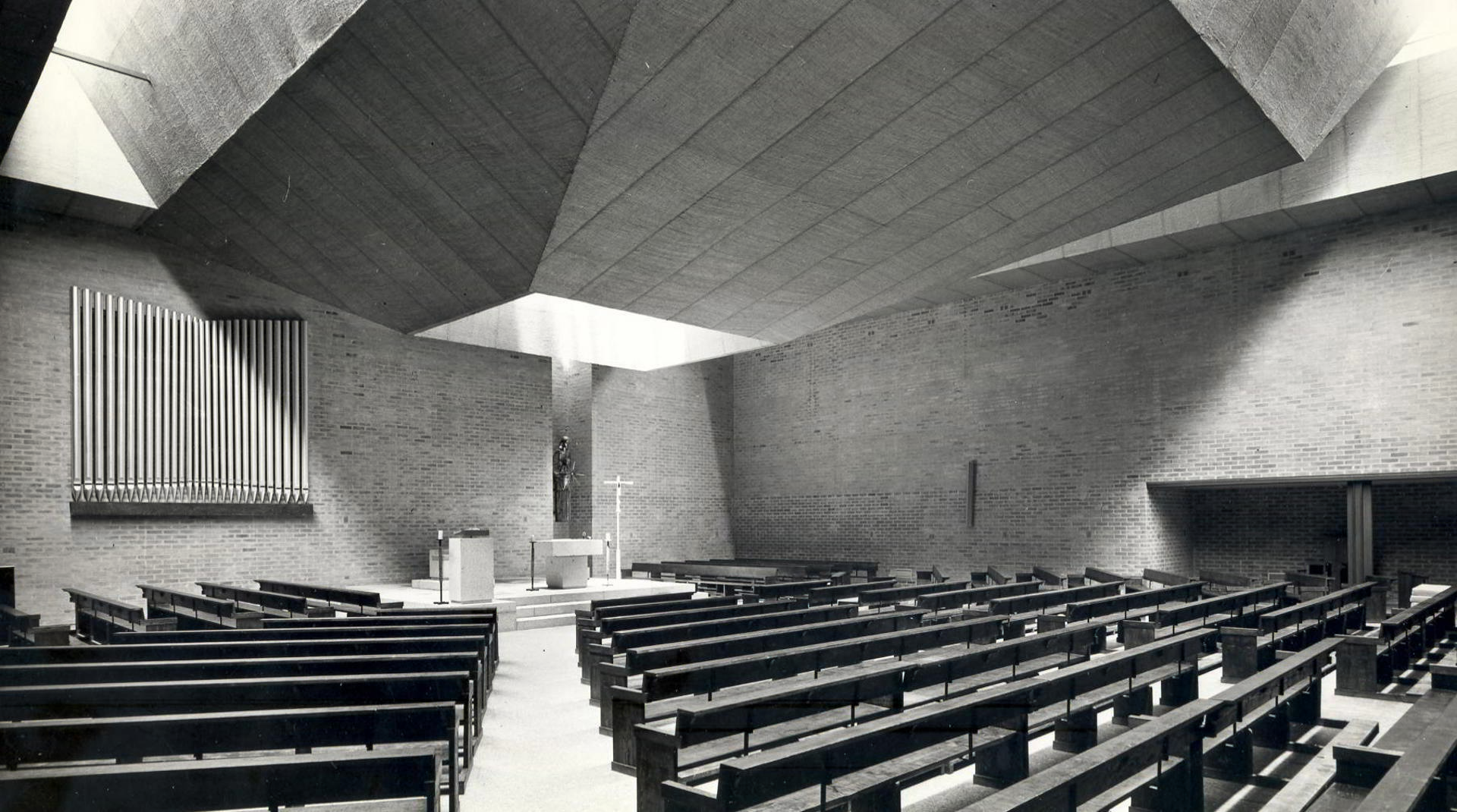
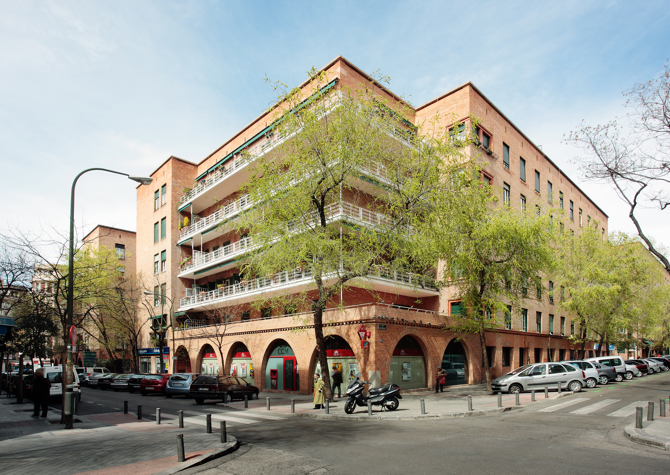
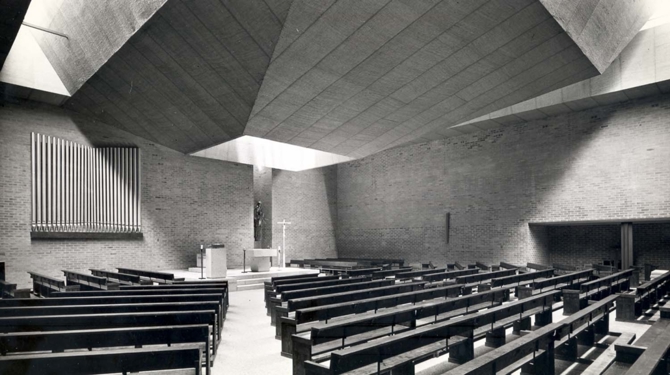
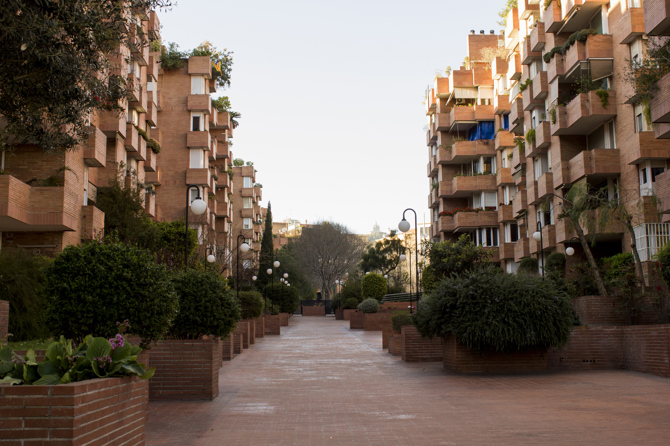
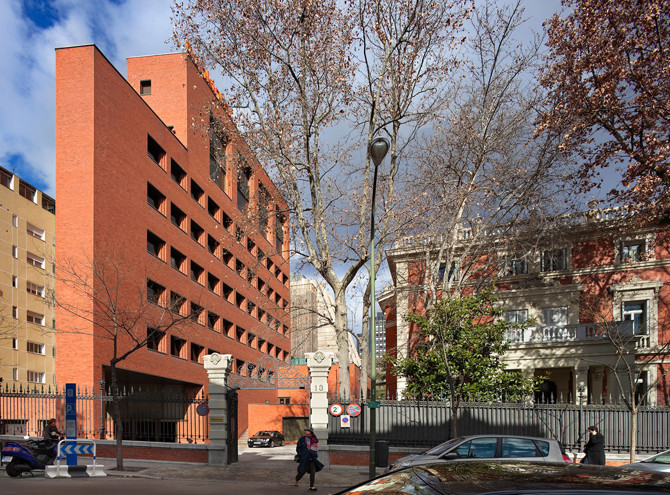
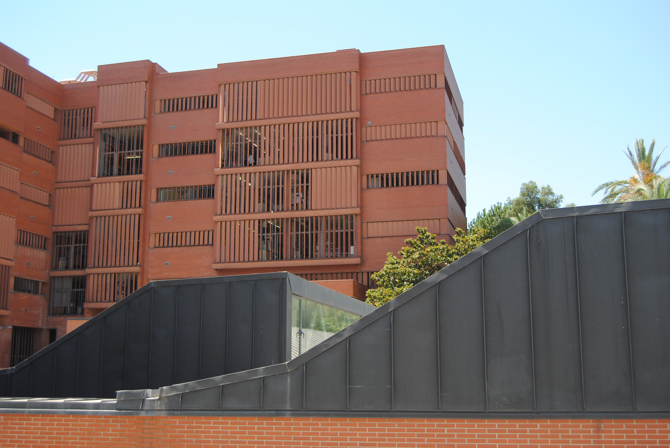
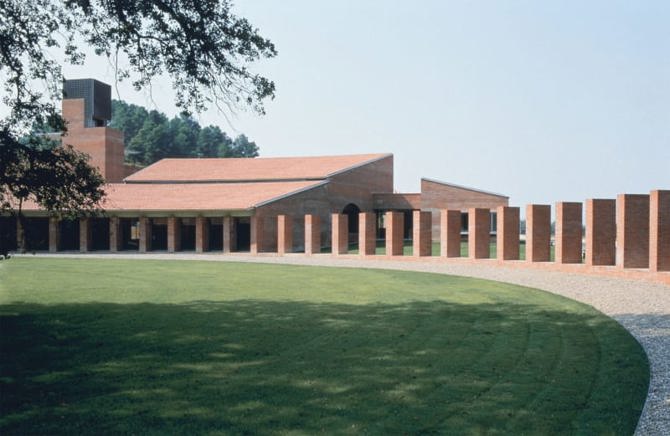
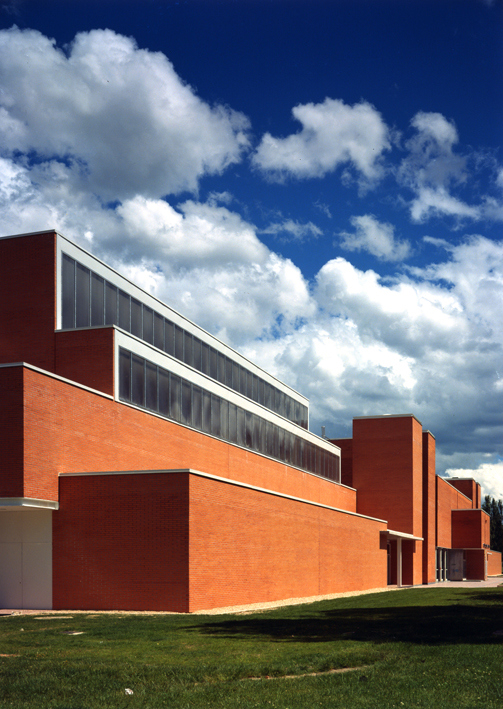
There is no material that better encapsulates the link between building and other aspects of life than brick. So much so that, in our country, the brick serves as a unit of measurement of the state of the economy, of its expansions and punctures, and also as an imaginary substitute for many things, such as an old telephone or an endless book. This cultural resonance is due to two of its fundamental qualities. On the one hand, its connection with the earth and with the human body, as it has its origin in clay, its dimensions are those of a foot and it is usually placed in the hand. And, on the other hand, its sustained presence in the history of our homes and cities, from Ancient times to the present day.In the encounter between all these qualities lies the fascination that brick awakens in many architects, a fascination that is especially intense in our territory for a particular reason: during the first half of the 20th century, economic difficulties made it impossible to reject brick and its traditional character in the defence of a new architecture, so that modernity in our country developed in direct relation to the humble economy of this material. In this sense, we could begin this itinerary by visiting the Casa de las Flores, the The Parish Church of Nuestra Señora de La Luz, the Bankinter Building or the The Centre for Biological Research (CIB) of the CSIC (Spanish National Research Council's ).Cajal and Ferrán Trusts., and see the prominence of brick in some of the most celebrated works of the 20th century in Spain.
Itinerary curated by
Ministry of Transport, Mobility and Urban Agenda (MITMA)
Ministerio de Vivienda y Agenda Urbana
Means of transport
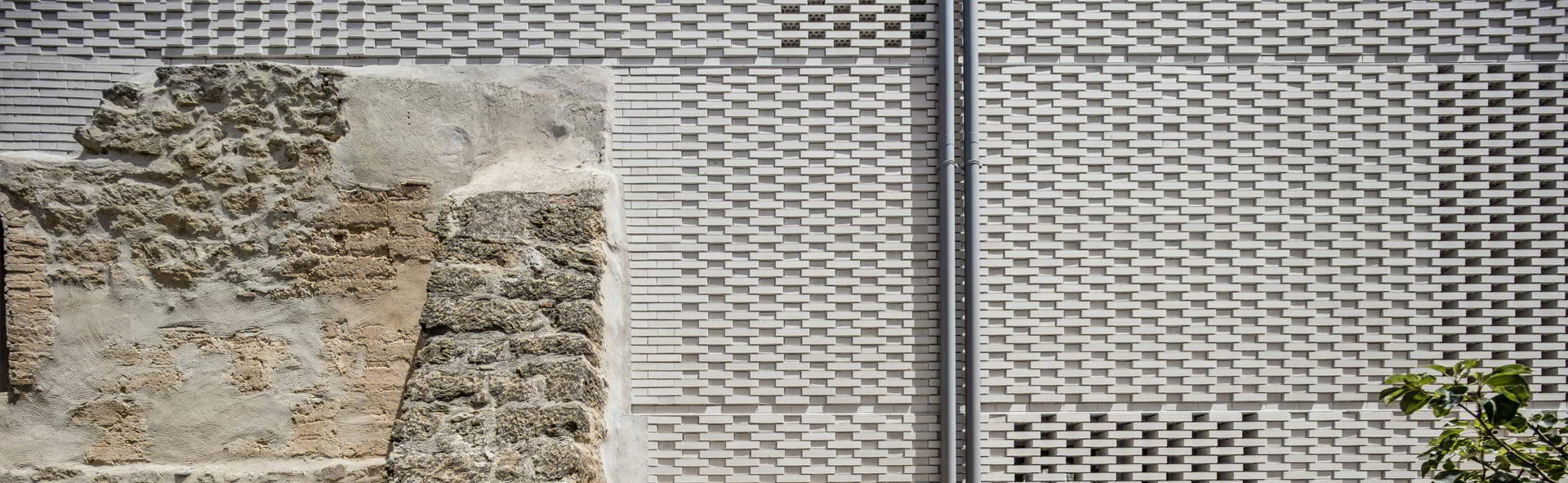
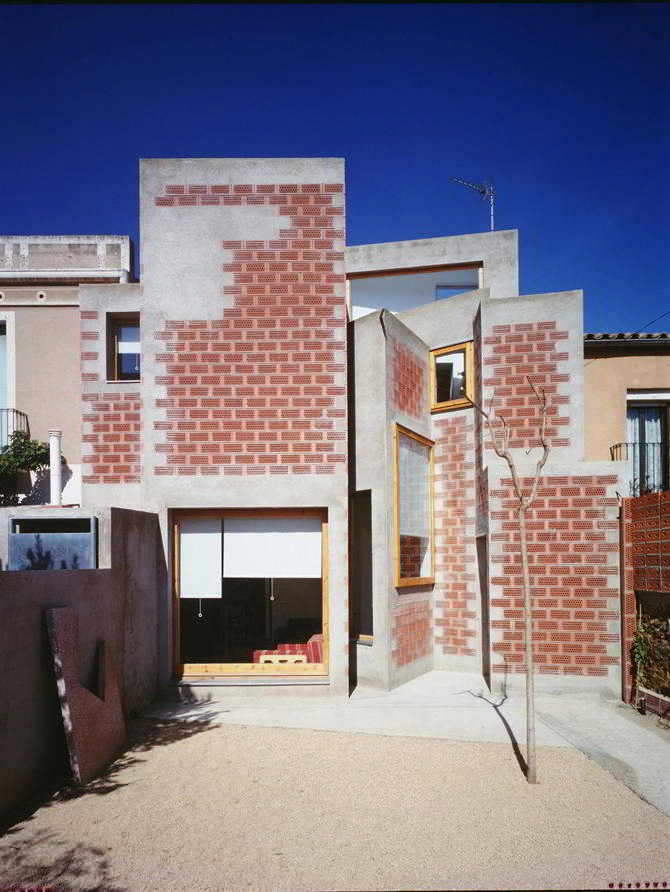
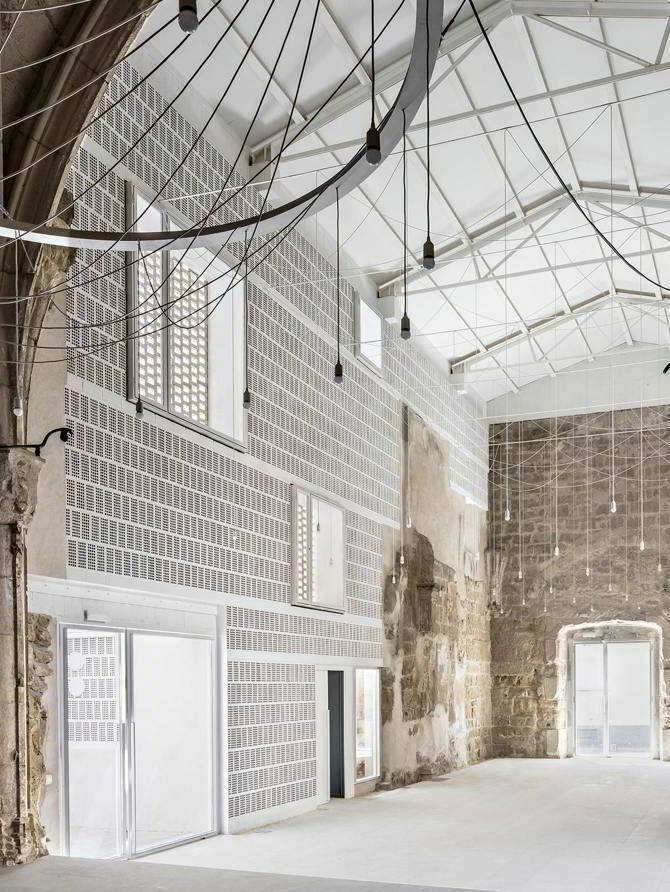
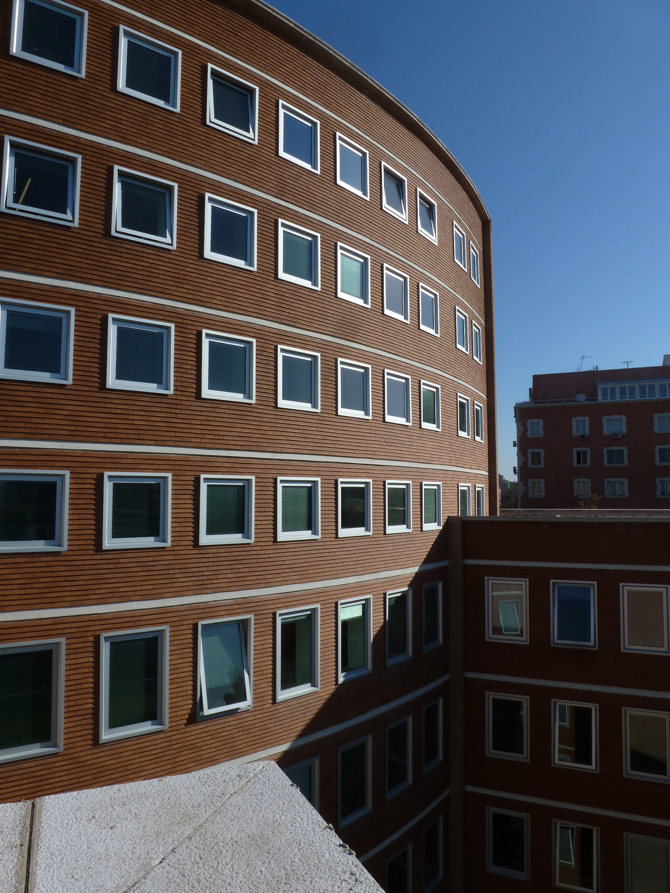
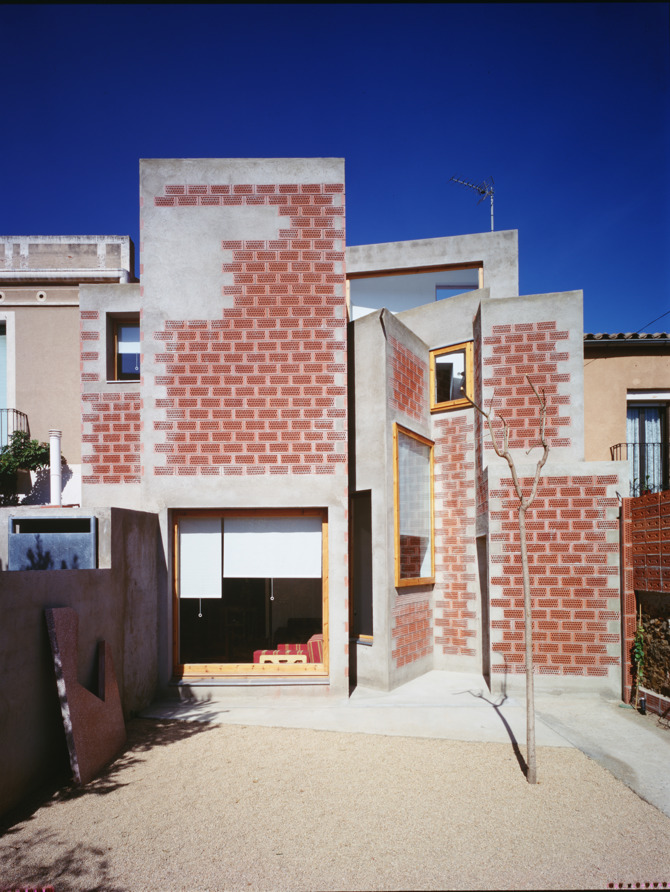
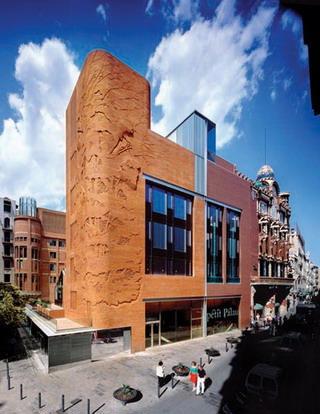
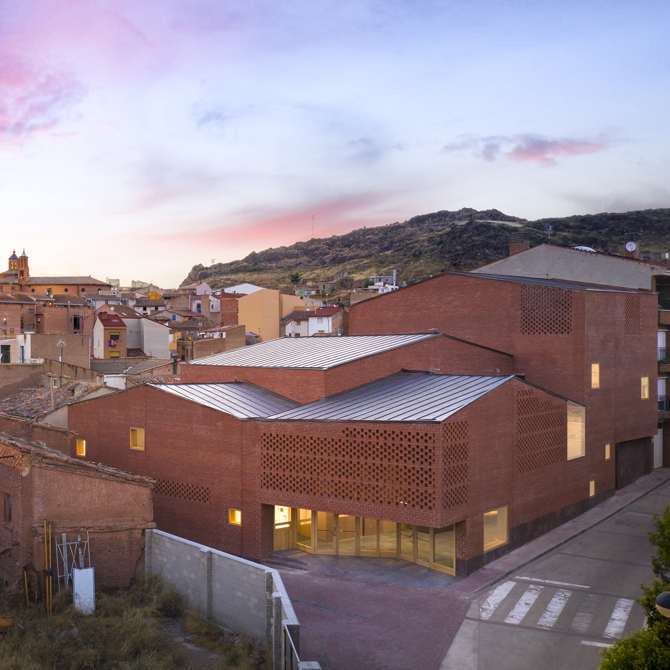
In the last one, we will also discover that, despite its roots, it is possible to rethink a brick to give shape to new finishes and textures. This is what Miguel Fisac did on the side façades of the building, which are made of a curved brick of his own design. And this is what other more recent authors have done in works such as the Restoration of a House in la Clota project, the Petit Palau. Extension of the Palau de la Música or the refurbishment of Santa María de Vilanova de la Barca, where bricks are combined with audacity and imagination to produce enveloping, warm and unexpected atmospheres.
On the other hand, in the concave chamfer where the façades of the building designed by Fisac meet, the solid brick is laid in the usual way to guarantee the structural condition of the wall. And yet, at its base, the human figure sculpted by Carlos Ferreira seems to be struggling to prevent its collapse or, perhaps, to cover it with a thin layer of marble.
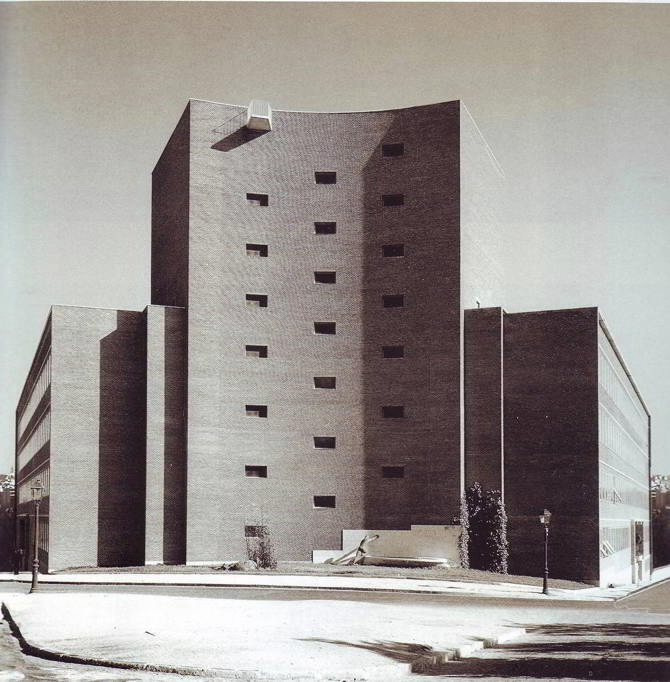
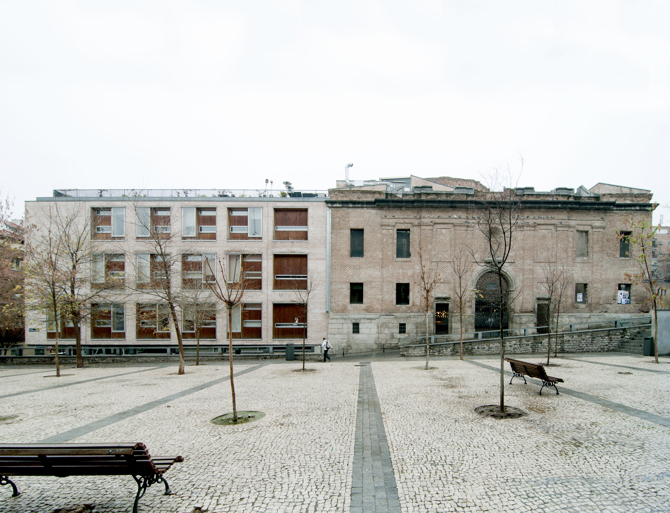
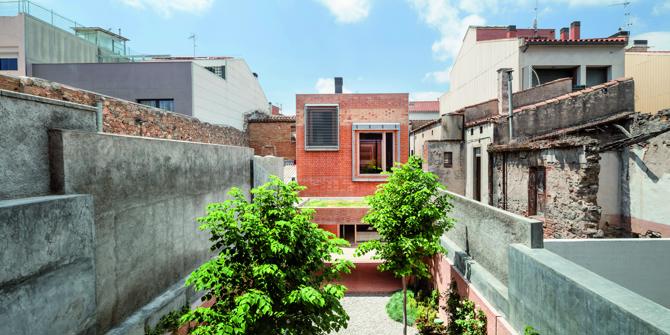
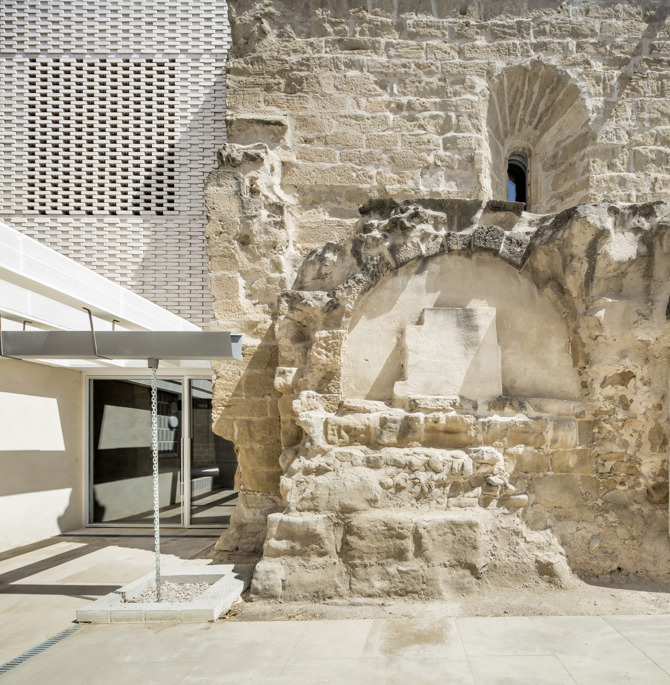
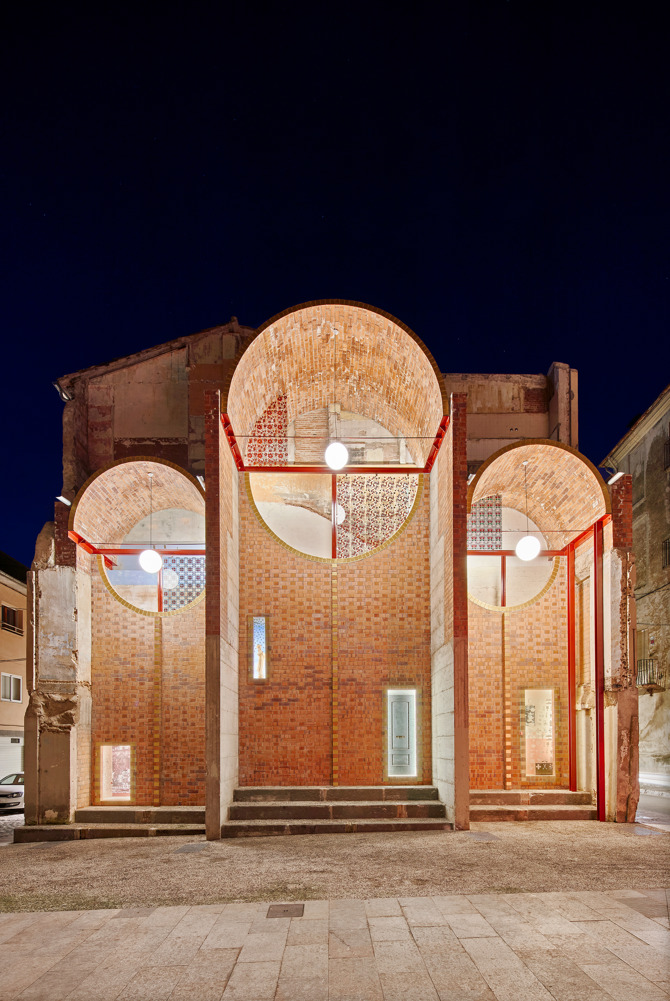
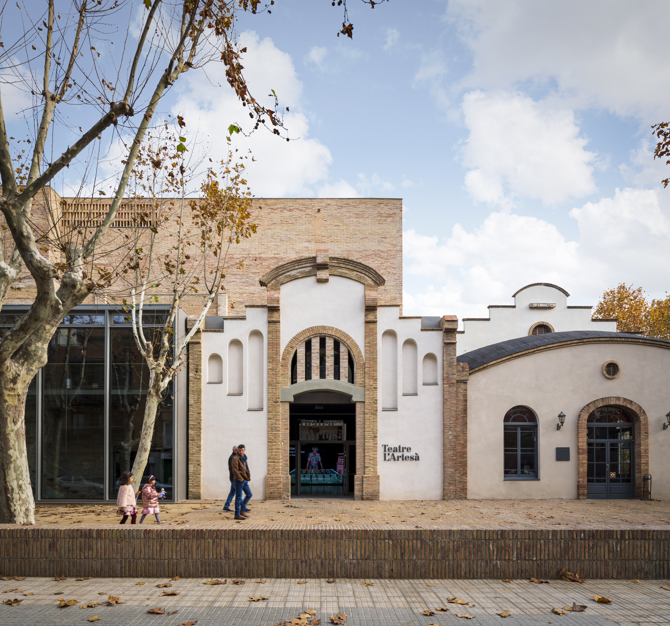
It is precisely this in-between state, which makes us doubt whether the building is under construction or in ruins, that supports the good relationship between brick and history and heritage. A relationship that is evident in such subtle architectures as the Escuelas Pías de Lavapiés Cultural Centre, the Cristalerías Planell Civic Centre or Can Sau. Emergency Scenography. In all of them, the old and the new come together to generate an architecture that is as attentive as it is contemporary.
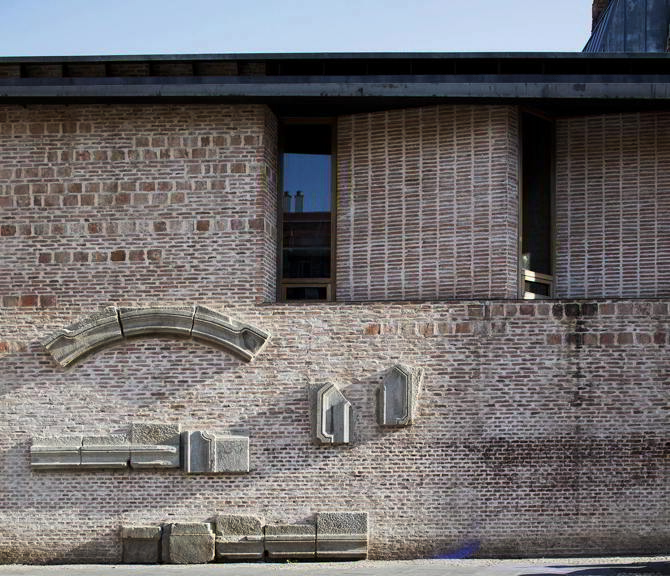
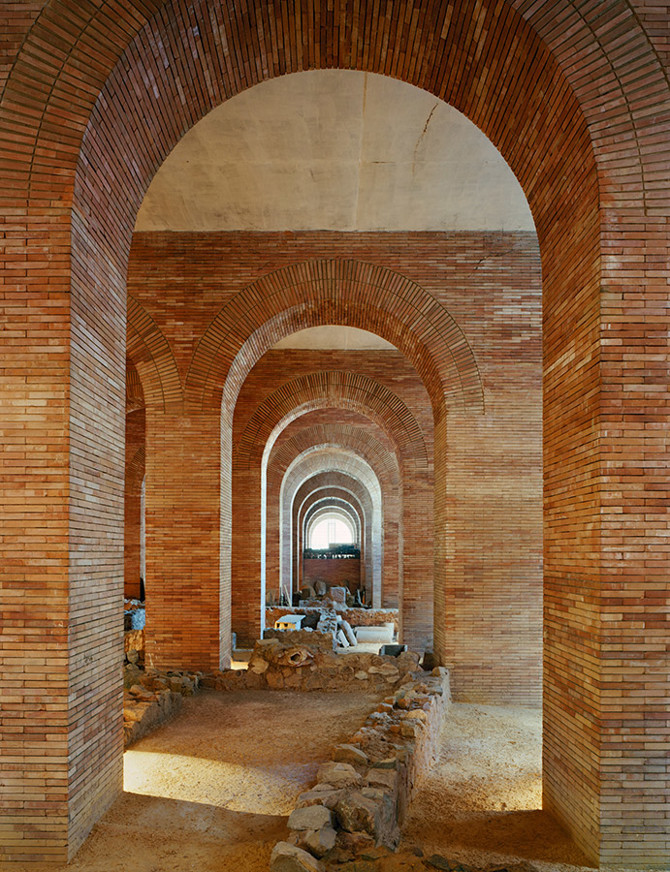
The National Museum of Roman Art in Mérida, built with walls that translate Roman construction into a modern spatial scheme, perfectly encapsulates this ability to bring together the old with the new, the abstract with the concrete, or innovation with tradition. As in our everyday life, the brick invokes all kinds of times and associations in these works.
Works
Location
Click to activate the map
Built
Temporary
Lost
Not built
Authors
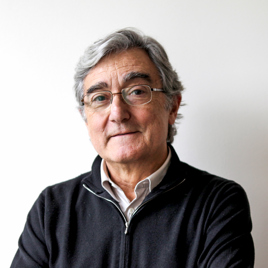
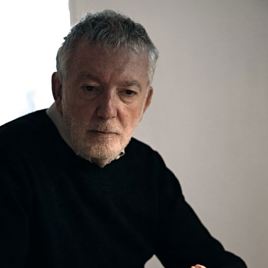
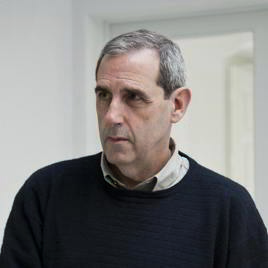
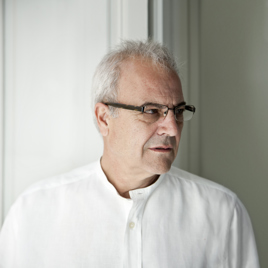

Schedule
Tuesday to Saturday: from 11 to 20 h.
Sundays and holidays: from 11 to 15 h.
La Arquería de Nuevos Ministerios
Paseo de la Castellana, 67
28046 Madrid - España


Horario
Martes a sábado: de 11 a 20 h.
Domingos y festivos: de 11 a 15 h.
La Arquería de Nuevos Ministerios
Paseo de la Castellana, 67
28046 Madrid - España

Design

Powered by

Copyright © 2026. All rights reserved.