Loading...

Itinerary
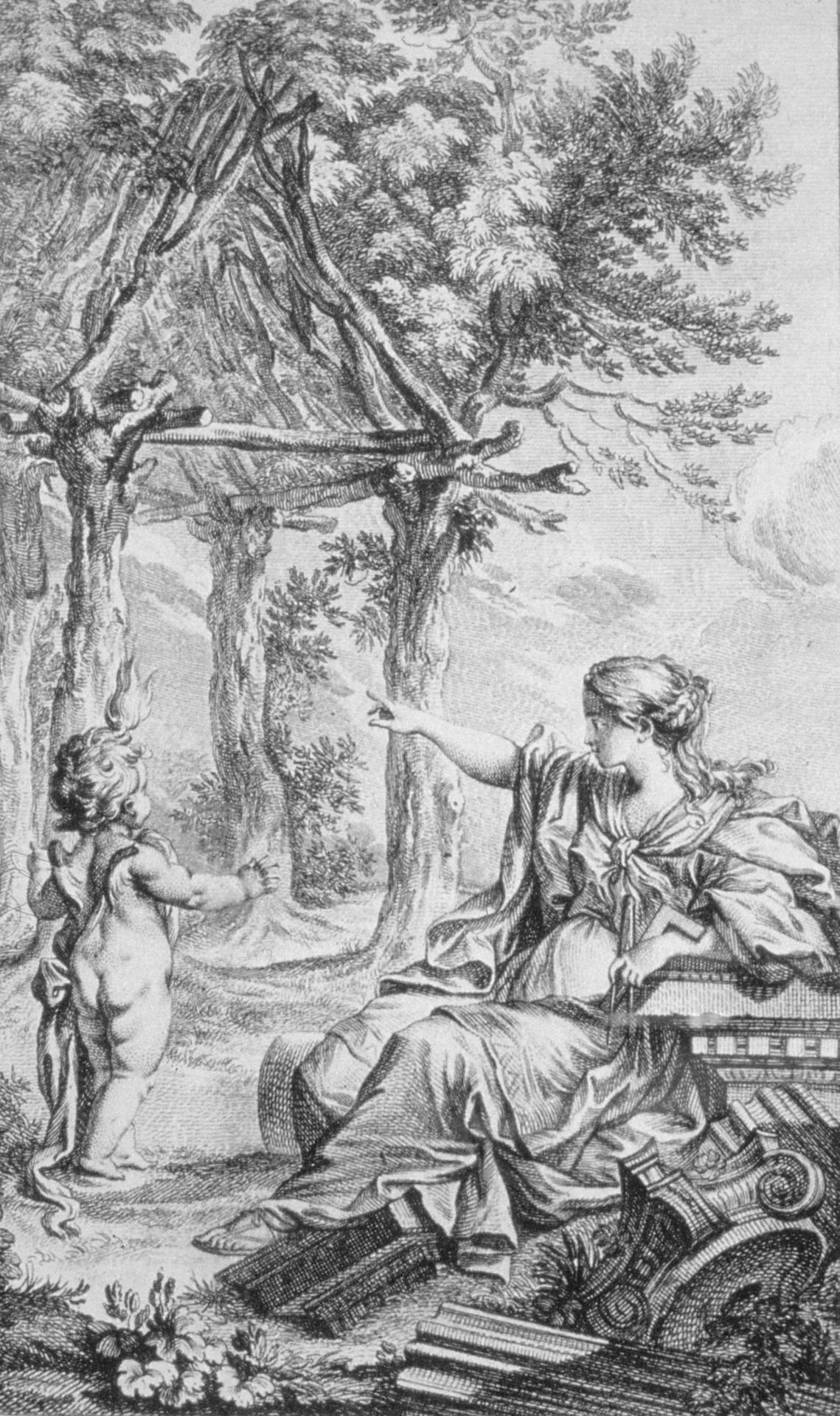
To think of wood is to think of a natural and primitive material, typical of past times and traditional construction systems. In the collective imagination of architecture, in fact, wood is presented as the first building material since 1753, when the abbé Marc-Antoine Laugier illustrated the primitive hut as a shelter made of trees and their branches.
Itinerary curated by
Ministry of Transport, Mobility and Urban Agenda (MITMA)
Ministerio de Vivienda y Agenda Urbana
Means of transport
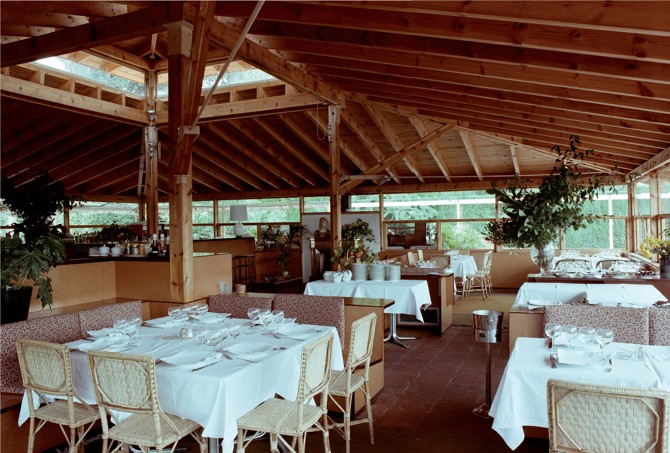
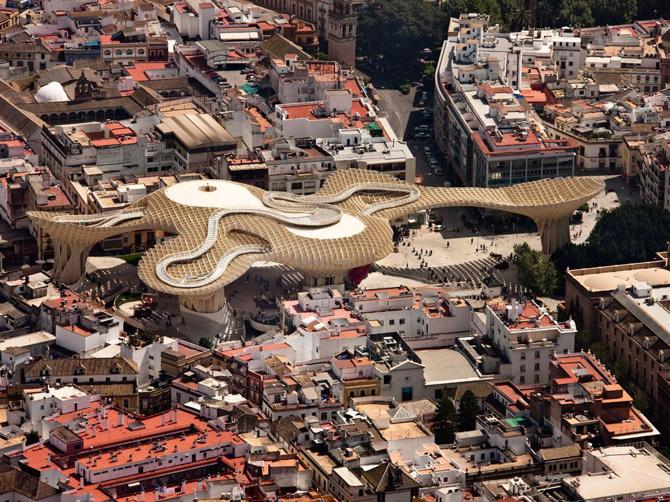
This thinking, however, may mask a very different reality. Nowadays, wood is a highly technological material that offers a wide range of construction solutions. Compared to other materials, moreover, its ecological footprint is small, especially when used in regions linked to the sustainable production of this material. This is why in recent years, marked by a growing awareness of the need to reduce the environmental impact of construction, there has been an important leap in the use of wood in architecture in our country.The buildings that shape this itinerary reflect this fact with particular clarity: with the exception of La Balsa Restaurant, all of them have been built in the last 10 years, and to walk through them is to discover the enormous variety of forms and applications that the constituent material of the original hut portrayed by Laugier has today.
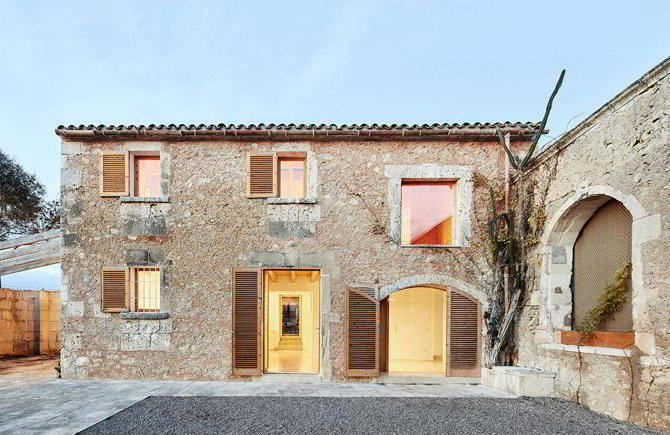
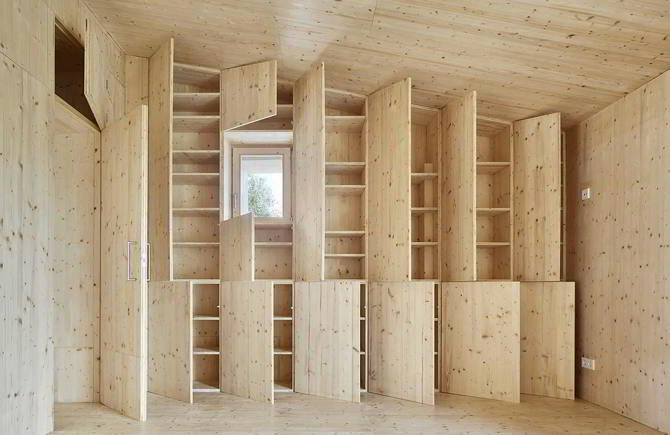
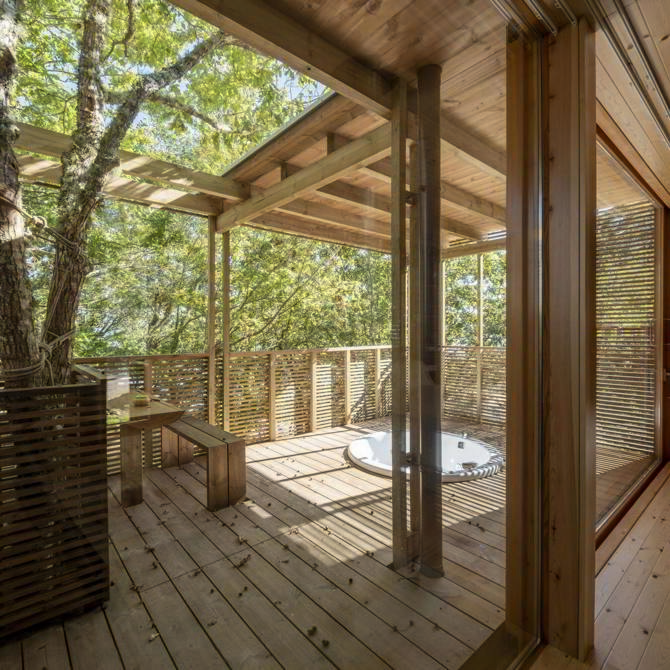
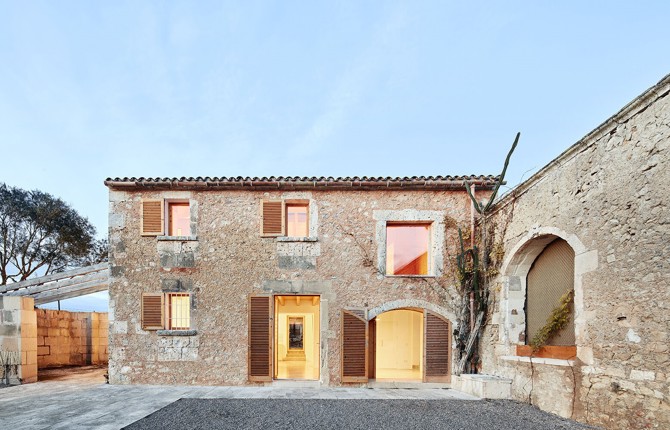
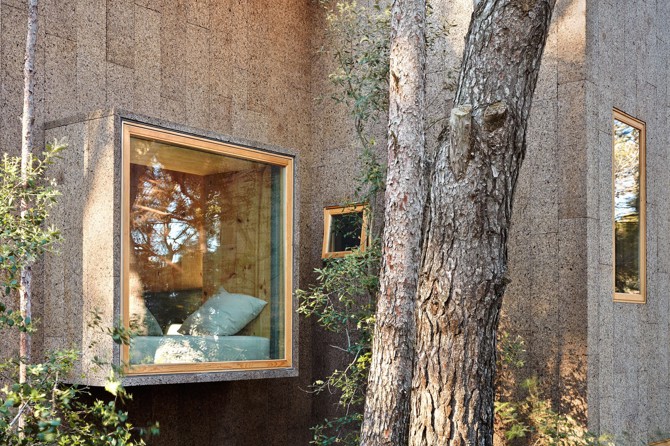
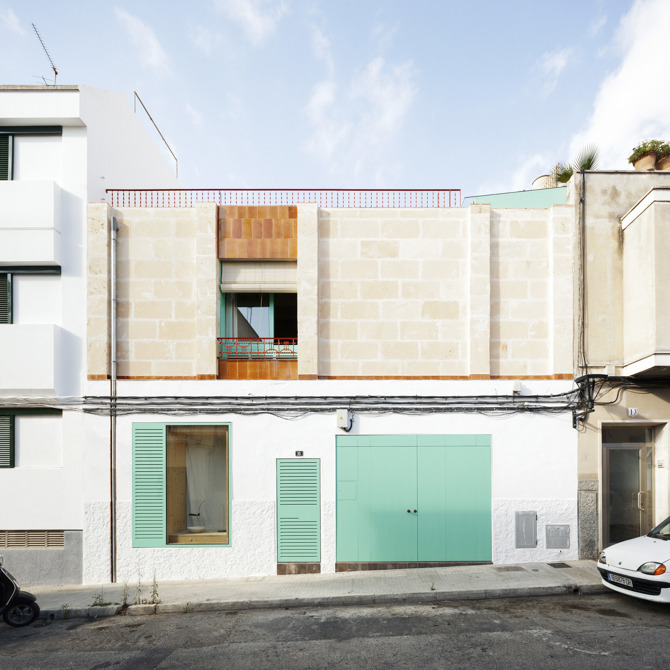
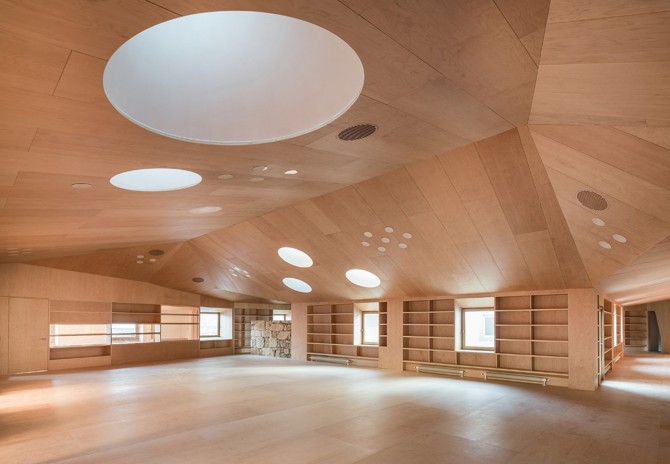
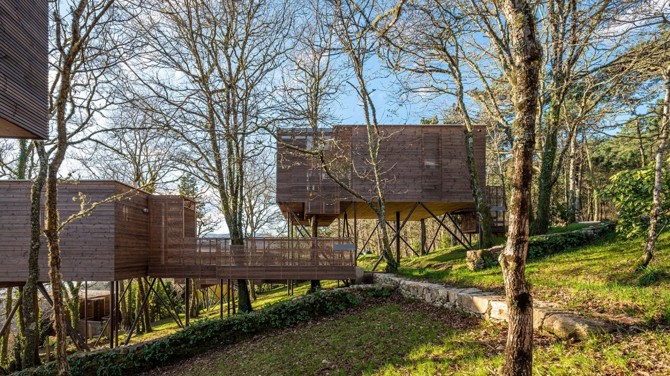
Let's start with the applications that are perhaps most familiar to us: ceilings, floors or furniture elements that, when skilfully resolved, generate atmospheres of great warmth. The Comprehensive renovation of Son Amengual Puig and the Municipal archive and public library of the city of Baiona are projects that have taken this possibility to the extreme. In both cases, wood completely clads the interior of historic buildings, giving them a new heart and demonstrating the capacity of this material to establish continuities and dialogue with tradition.In the Albeida Tourist Complex, wood also clads the surfaces of the small huts suspended among the trees. Here, moreover, the material shows us its structural possibilities, resolving part of the skeleton of the buildings with solid wood profiles that blend in with the carpentry elements. The slenderness of these profiles is defined by the diameter of the logs from which they are taken and corresponds to a truss system, in which beams and columns are spaced close together.
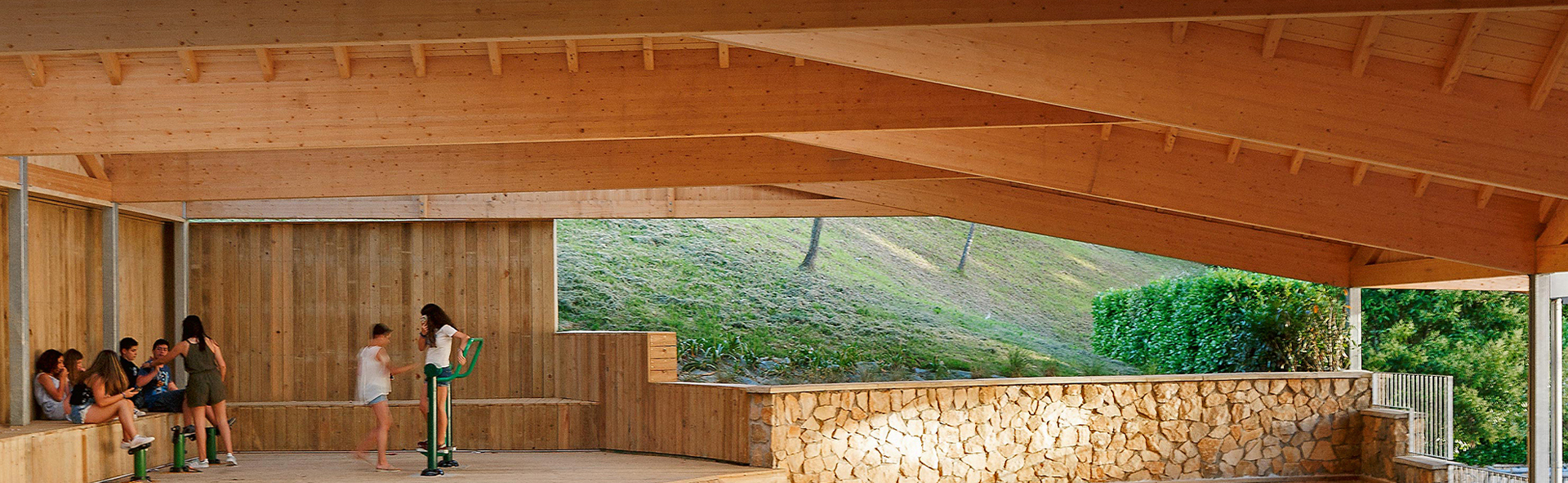
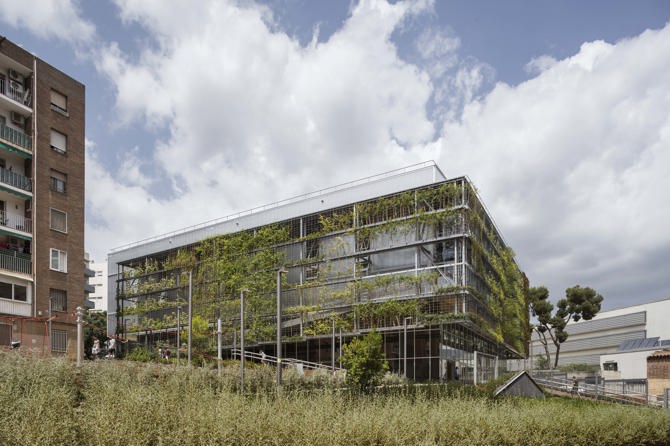
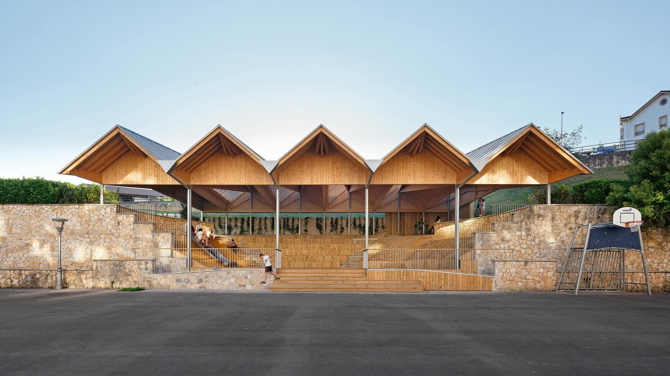
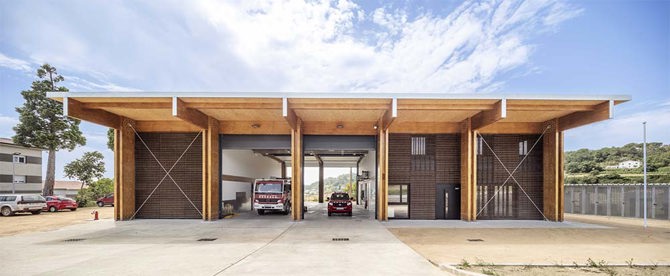
If we are interested in solving larger spaces, we should opt for solutions that allow the production of larger structural profiles. This is the case of laminated wood, in which a set of thinner boards and profiles are glued together to generate large beams and pillars which, as we can find in the Herriko Plaza in Mallabia or in the Turó de la Peira's Sports Centre and Layout of the Interior Urban Block , transfer the warmth of wood to uses of a public nature.In fact, the range of elements that can be produced by gluing laminated timber extends far beyond beams and pillars. Nowadays, walls and floors are also produced, or in other words structural panels which, like the pieces of a children's game, can be assembled to solve both the structure and the interior envelope of a building at the same time.
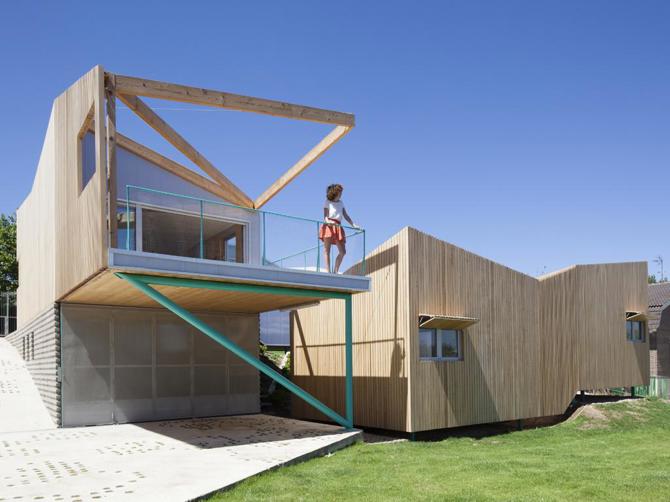
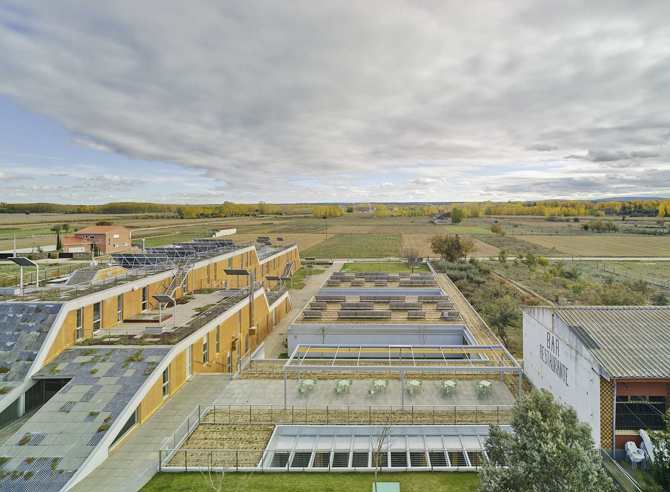
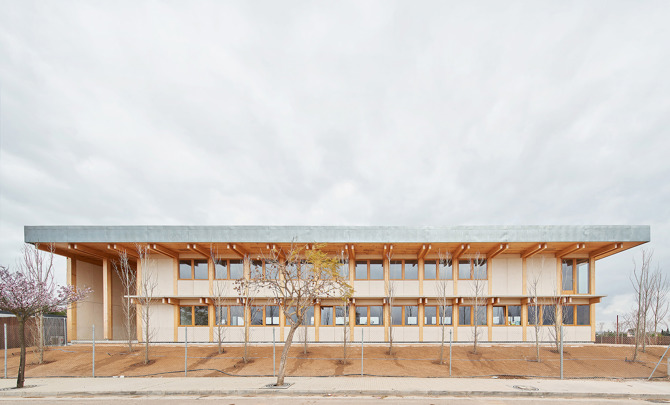
This system is usually solved with cross-laminated timber or CLT (cross laminated timber) and, thanks to the speed of its assembly, it is becoming increasingly popular in the architectural culture of our country. The The Cerezales Antonino y Cinia Foundation (FCAYC) or the house House of Would show us how much CLT construction transforms the usual construction times: in just a few weeks and with only the help of a crane, the building is erected with the same simplicity with which a model is built.
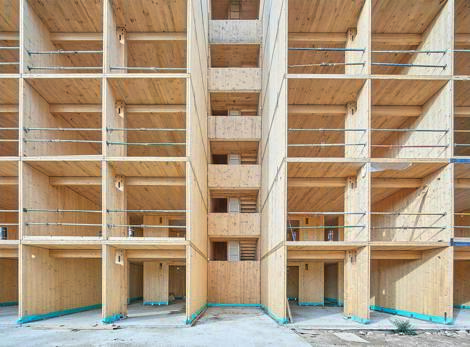
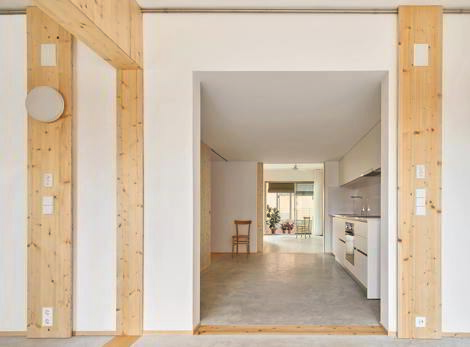
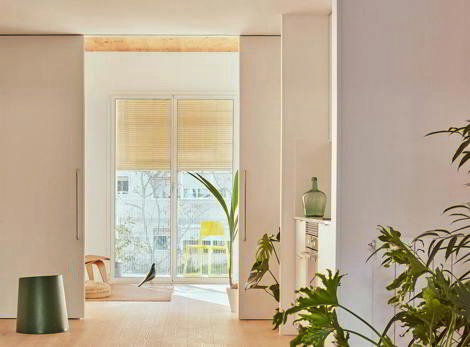
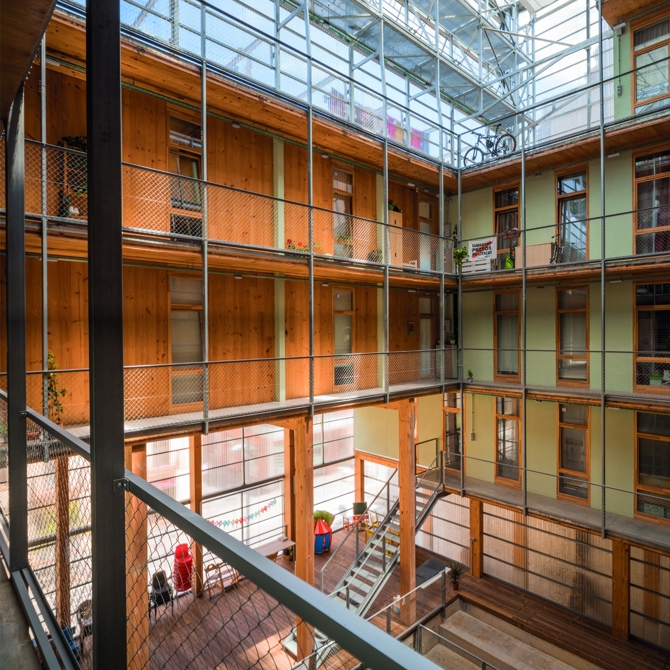
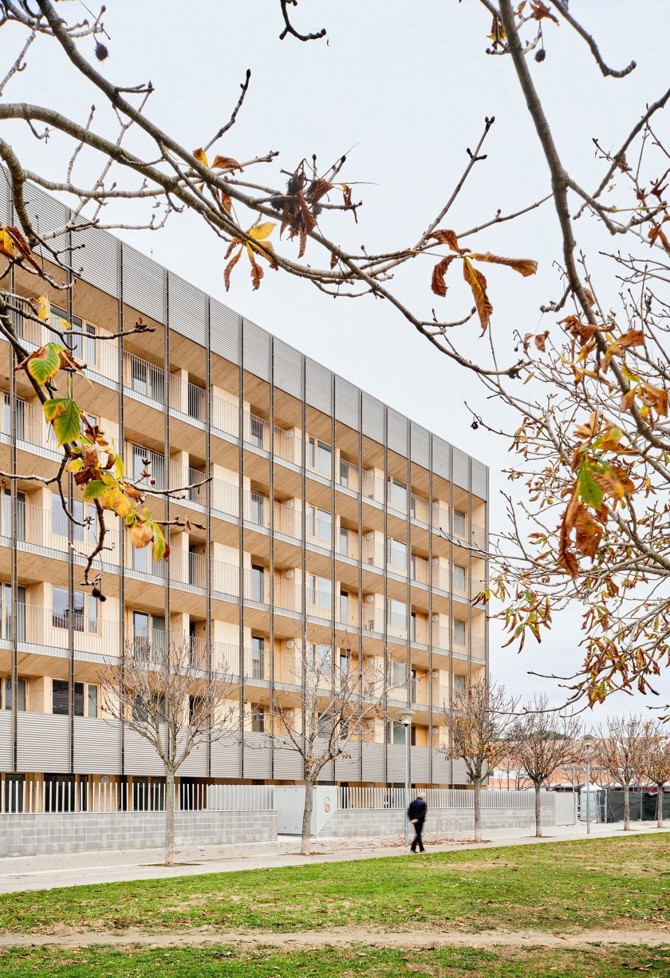
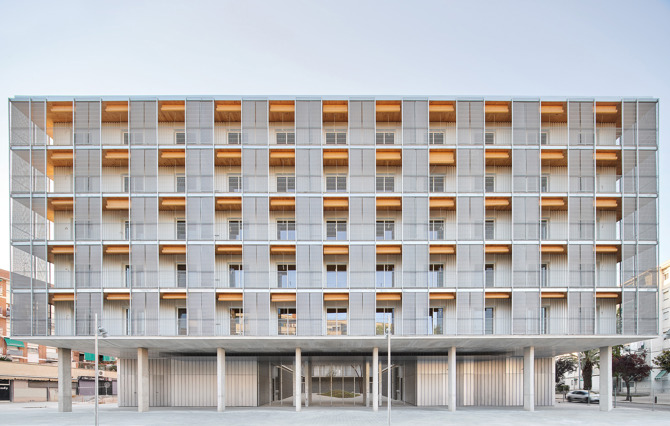
Thus, although the cost of building with these panels is currently significantly higher than with other systems and materials, their speed and environmental impact ensure the growth of wood in the skeletons of the architecture to come. Two recent collective housing buildings anticipate the results of this transformation: in Catalonia,Social housing in Cornellà and the Bloque 6 x 6 are built on a material that already takes us back to the past, if not to the future.
Works
Location
Click to activate the map
Built
Temporary
Lost
Not built
Authors








Schedule
Tuesday to Saturday: from 11 to 20 h.
Sundays and holidays: from 11 to 15 h.
La Arquería de Nuevos Ministerios
Paseo de la Castellana, 67
28046 Madrid - España


Horario
Martes a sábado: de 11 a 20 h.
Domingos y festivos: de 11 a 15 h.
La Arquería de Nuevos Ministerios
Paseo de la Castellana, 67
28046 Madrid - España

Design

Powered by

Copyright © 2026. All rights reserved.