Loading...

Itinerary
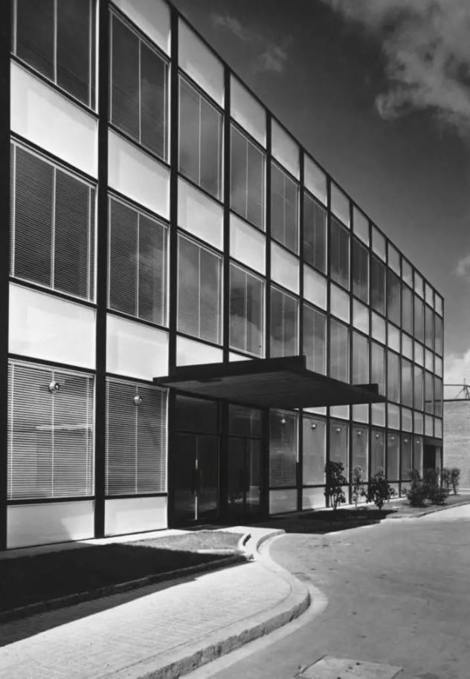
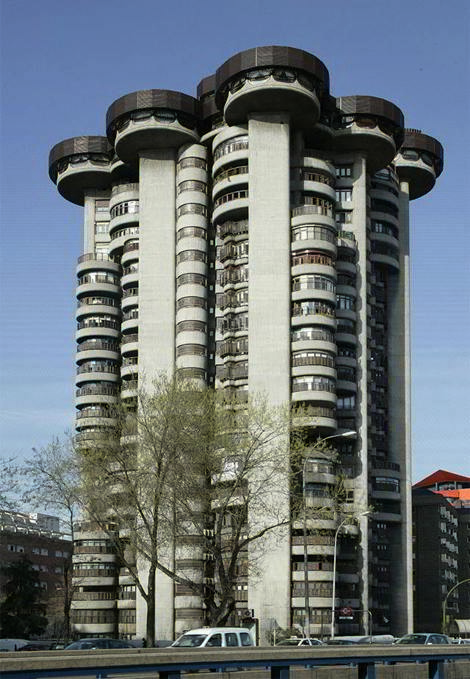
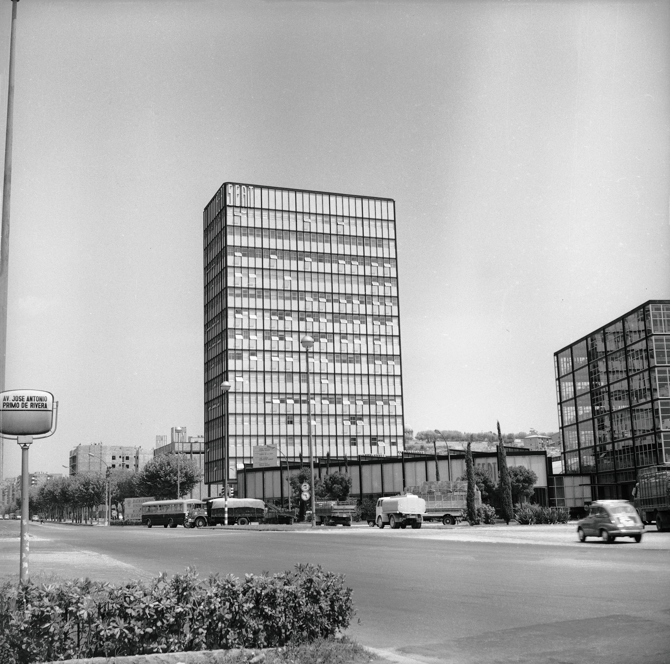
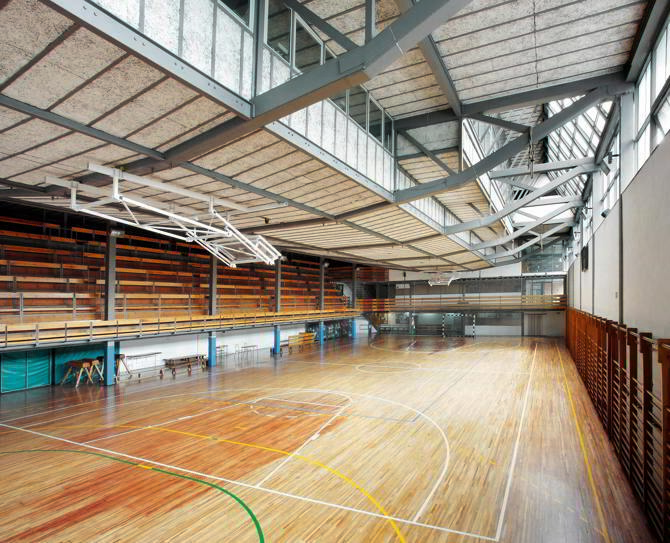
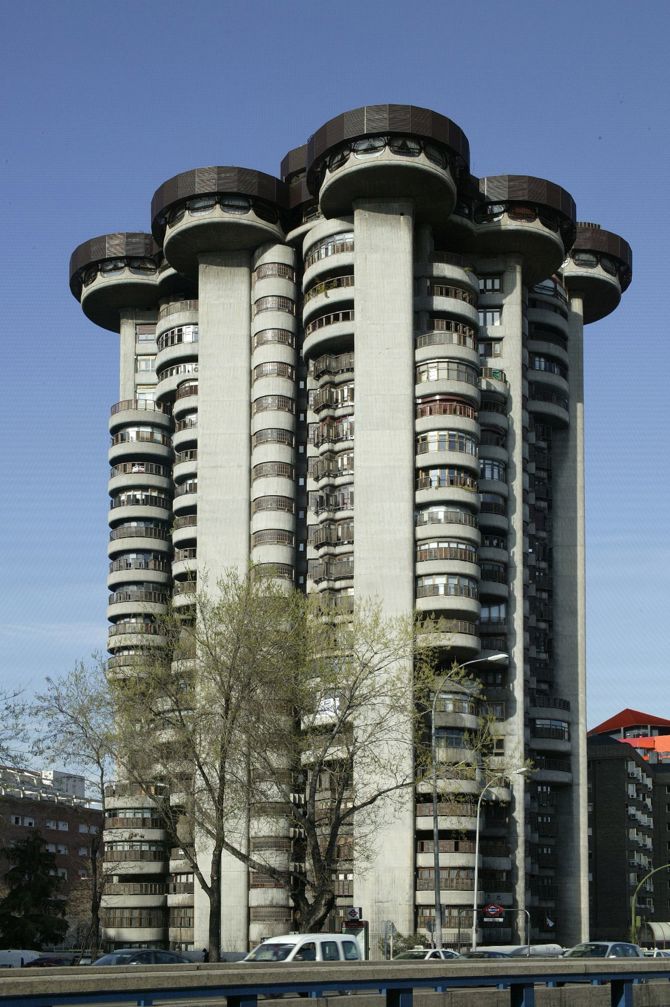
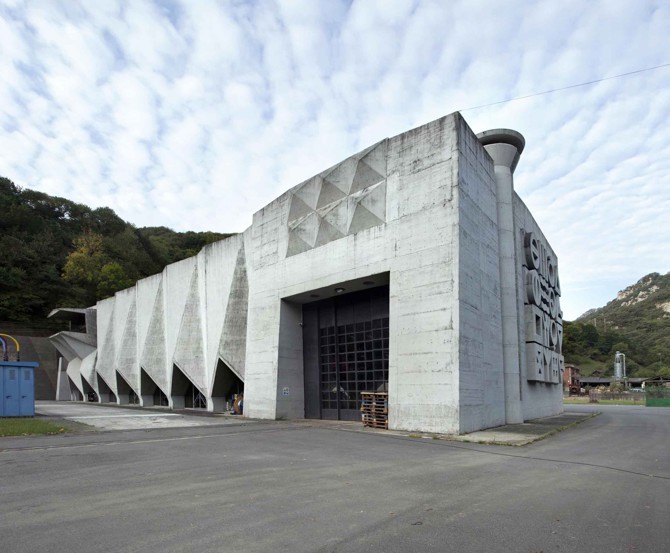
In any history, the photographs that remain etched in memory encapsulate a set of parallel events whose significance fades with the passage of time. Also in the history of architecture. Thus, to think of the 1960s is to invoke some of the most remembered images of 20th century Spanish architecture: the section of the Maravillas School Gymnasium, the rotundity of the Torres Blancas or the colourless elegance of the SEAT Barcelona factory - Laboratory. These photographs in turn refer to a snapshot that captures some of the historical circumstances that would accompany these realisations. In 1959, US President Dwight D. Eisenhower visited the city of Madrid to give visibility to the legitimisation of Franco's regime by the countries of the West. The result: the multiplication of trade exchanges and the opening up to foreign capital and visitors that would give impetus to the 'developmentalism' of the 1960s.
Itinerary curated by
Ministry of Transport, Mobility and Urban Agenda (MITMA)
Ministerio de Vivienda y Agenda Urbana
Means of transport
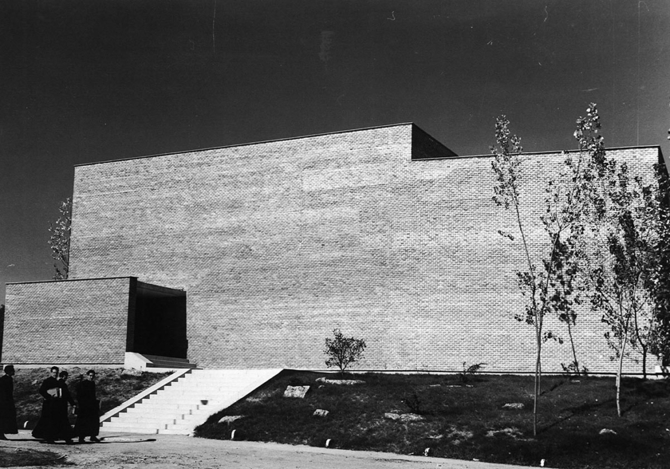
At the origin of this snapshot, however, lie a series of less visible events: the so-called Madrid Pacts, aimed at collaboration between Spain and the United States, and the concordat with the Holy See, both signed in 1953. Although its graphic documentation is scarce, the effects of the economic growth that our country experienced during the 1960s cannot be disconnected from the influence of these two agreements.In addition to numerous buildings intended for the liturgy itself, the renewed weight of the Catholic Church was channelled into the educational sector, where projects as significant as the aforementioned gymnasium designed by Alejandro de la Sota, the Conjunto de Teologado San Pedro Mártir or the Colegio Mayor Teológico Hispano-Americano y Capilla de Santiago in the University City of Madrid were deployed. The variety of programmes and formative segments that these works addressed speaks volumes about the link between religious institutions and the promotion of architecture in this and later decades, as well as their connection with recollection, simplicity and material sensibility.
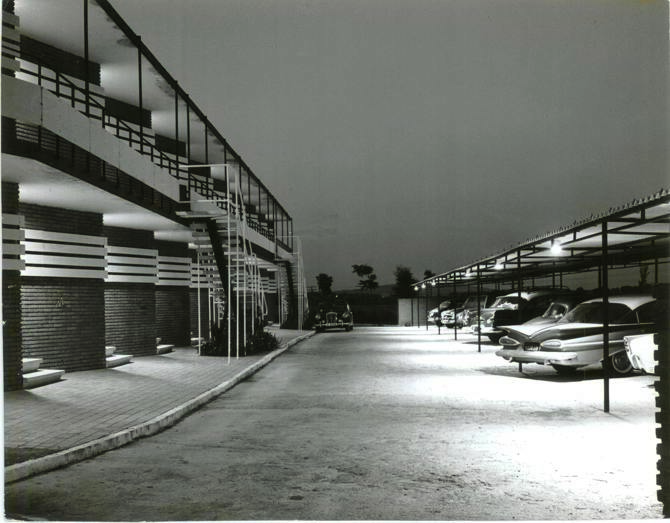
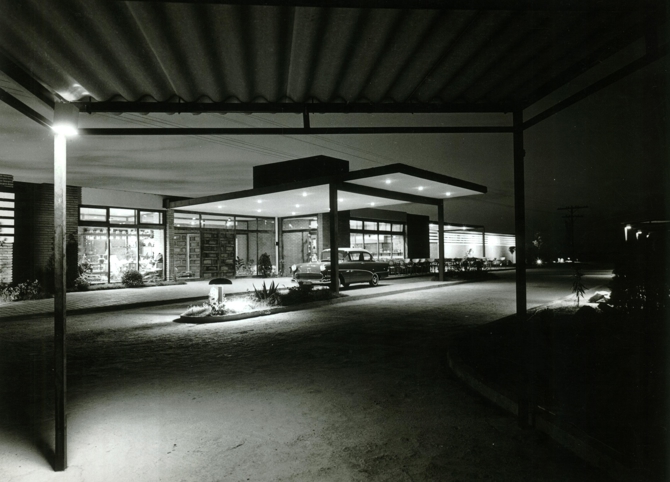
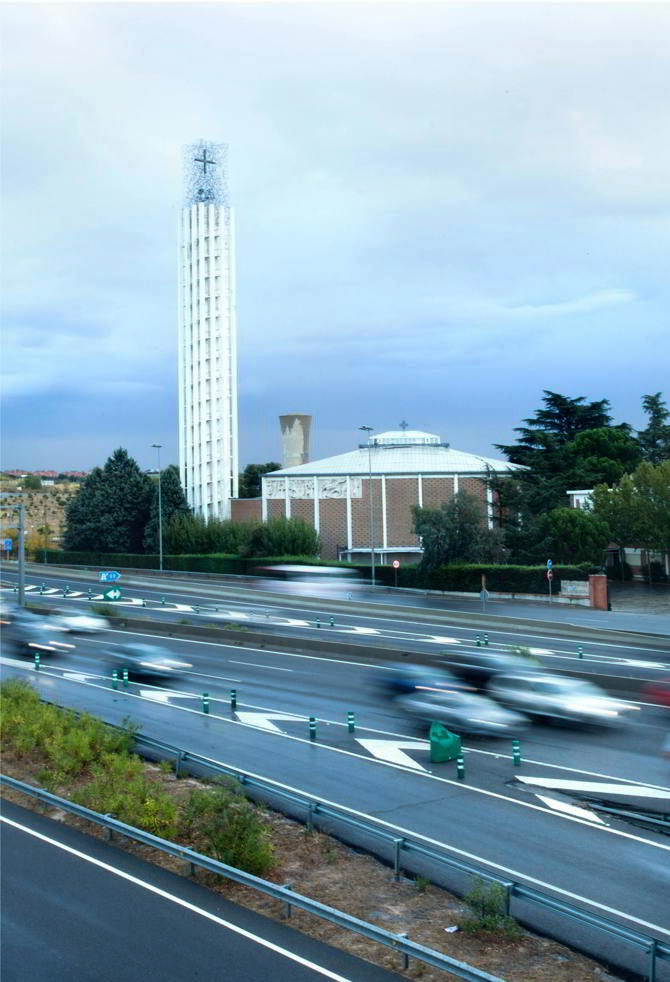
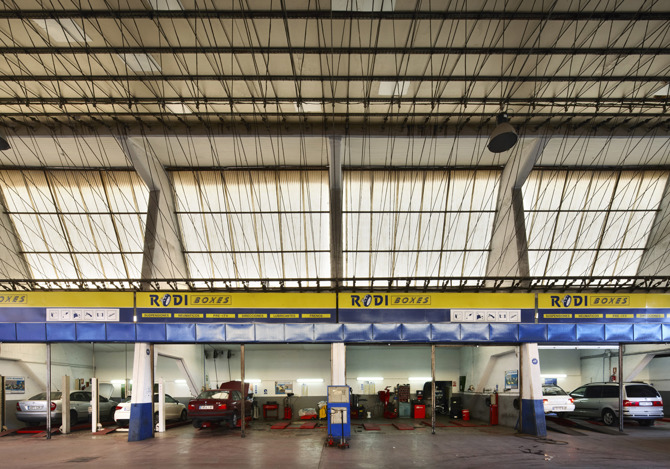
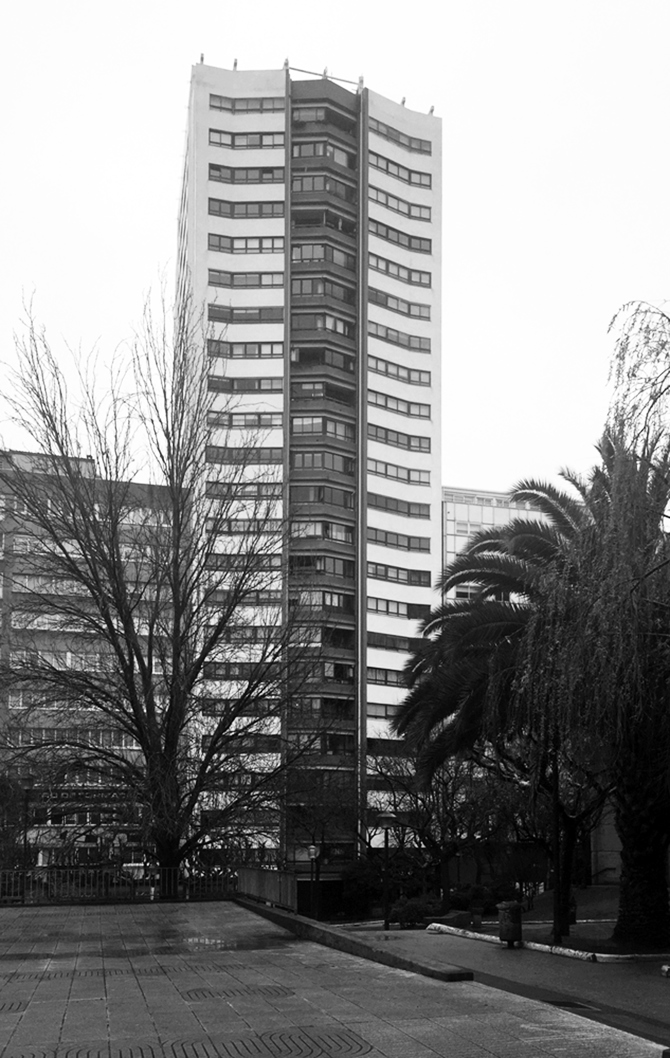
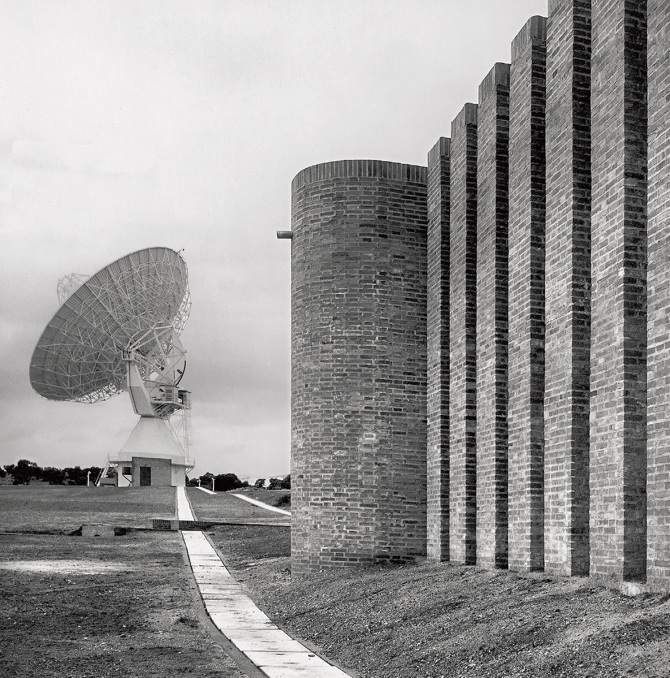
Similarly, the Americanism that emerged from the economic and social development of the 1960s manifested itself in a multitude of sectors and facets. The opening up of the economy was followed by an accelerated process of industrialisation and the importation of car culture, skyscrapers and large infrastructures. Thus, the hordes of SEAT 600s leaving the Barcelona factory found themselves in architectures designed to suit them, as in the Los Enlaces service station or in the Motel El Hidalgo, a work in which the car and life agreed on new ways of relating to each other. For their part, energy and communication infrastructures found in architects such as Joaquín Vaquero Palacios or Julio Cano Lasso the hand to formalise their symbolism in the imaginary of the time, in the same way that cities found in architects such as Milagros Rey the hand to incorporate the tower into their repertoire of buildings.
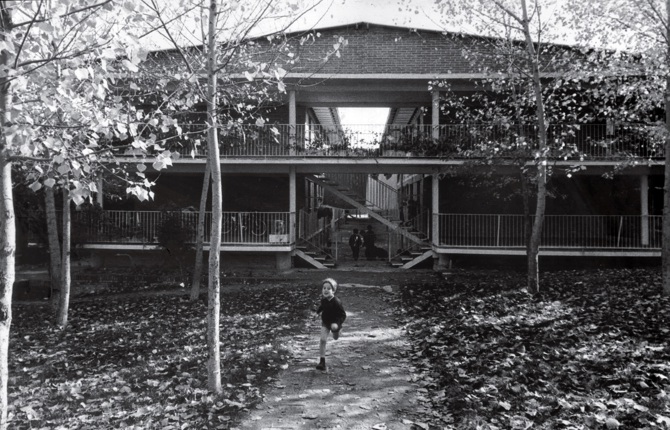
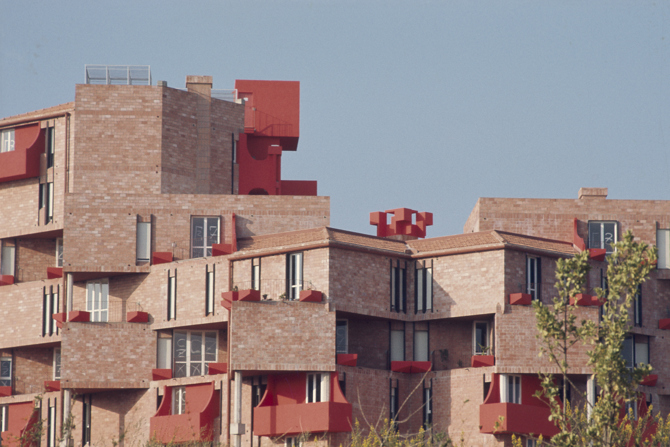
This process of industrialisation was also followed by renewed demographic pressure on the cities. If during the previous two decades the regime's efforts had been aimed at consolidating and promoting rural areas, the 1960s were characterised by a mass exodus driven by the role of the cities as the nerve centres of the country's industrial fabric. This increased the need for housing and simultaneously led to two parallel phenomena: the rise of shantytowns and experimentation with collective housing. Thus, to follow this itinerary is to visit some of the most significant collective housing projects of the 20th century and to see, as in the Hortaleza Neighbourhood Absorption Unit, the capacity of architecture to respond to social transformations of great intensity: the entire project was designed in barely a month to alleviate the multiplication of shantytowns. In complexes as ambitious as the Barrio Gaudí (Gaudí District) in Reus or the Torres Blancas in Madrid, we also find the capacity of architecture to propose transformations in the way of living in society; to group people and ways of living together, to rethink the spaces of the home and to renegotiate the agreements between the home and the city.
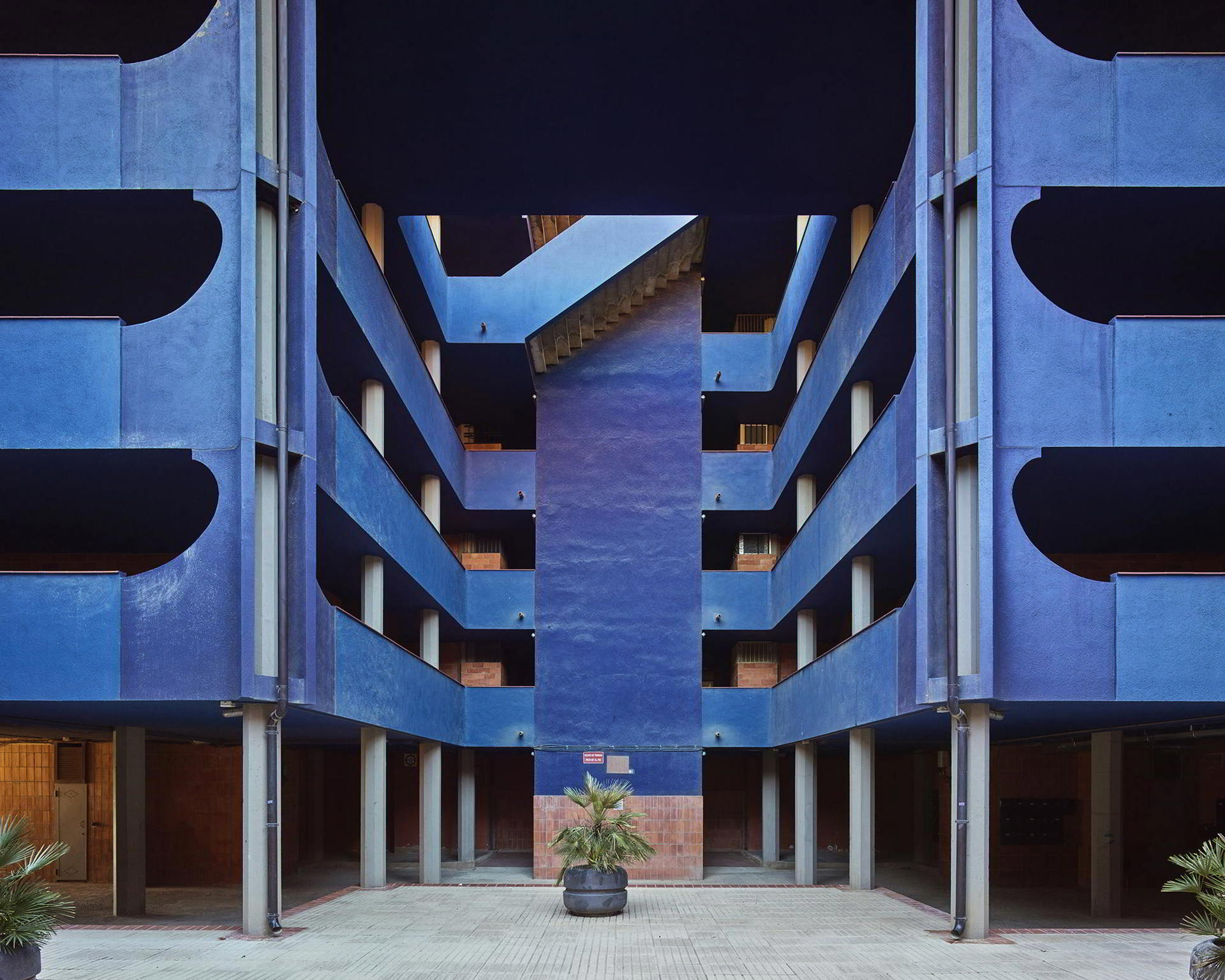
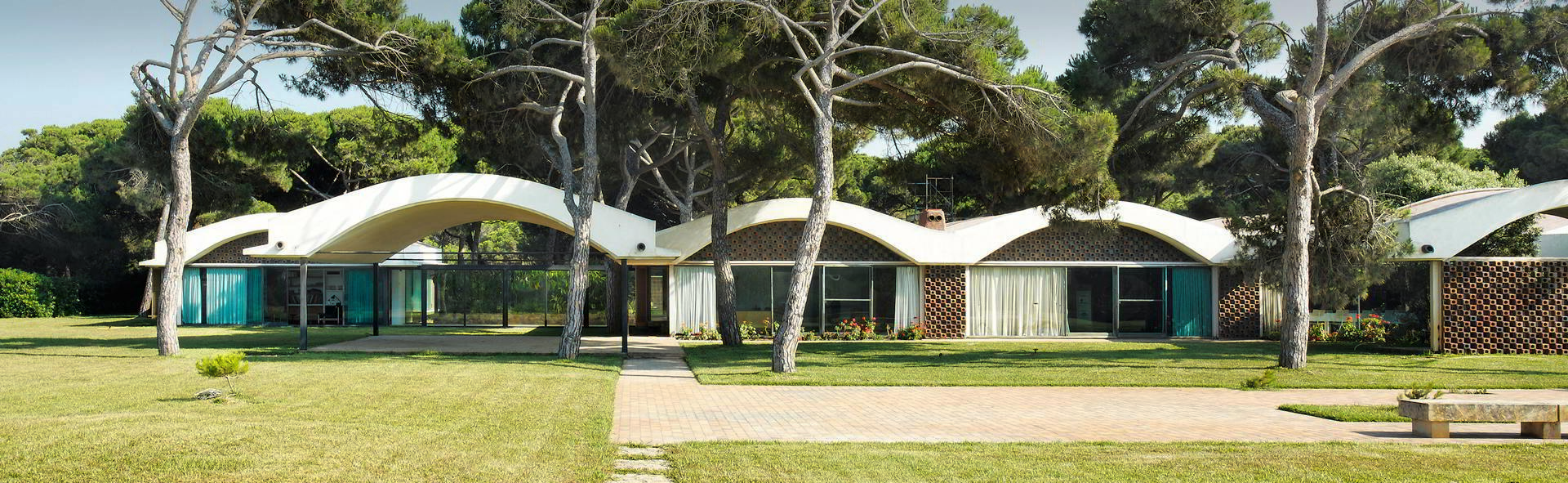
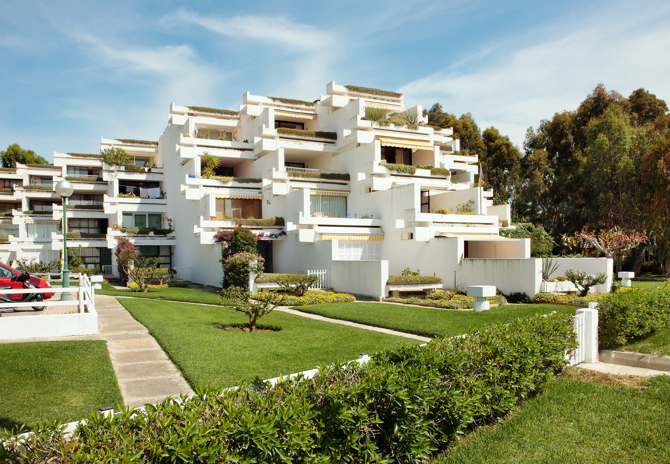
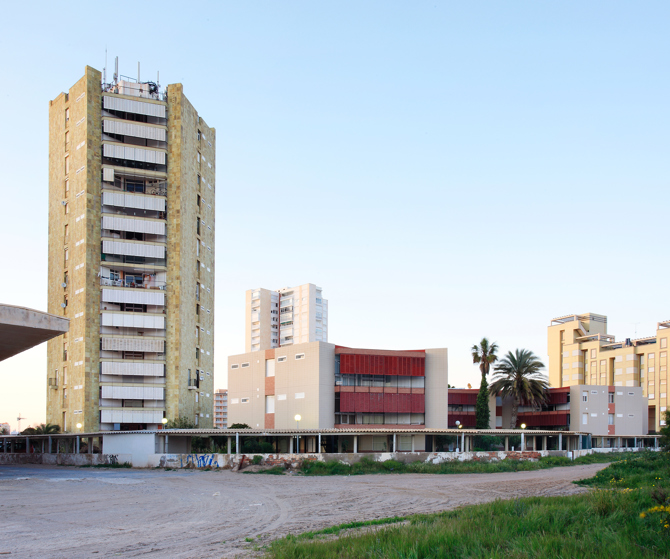
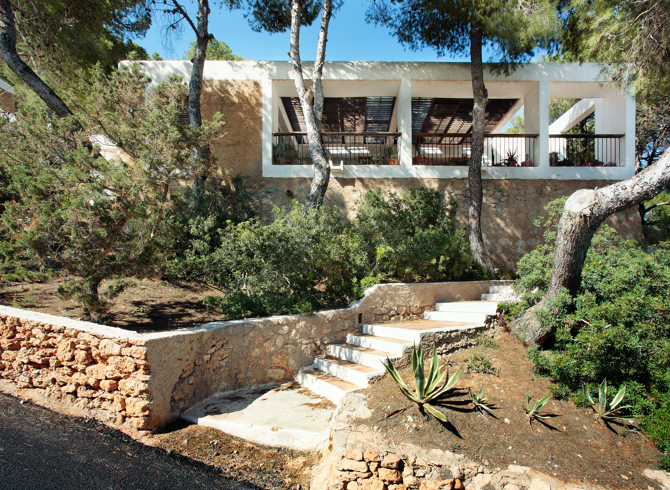
However, if there is one image that brings together all these transformations, it is not so much that of the industrial worker or the city dweller, but that of the tourist. A new subject dedicated to leisure and the accumulation of experiences which, like the SEAT 600 - or rather, making use of it - would be welcomed with a deployment of infrastructures, architectures and new community models. The coast became its territory par excellence, suddenly exposed to economic and social pressure that resulted in a wide variety of occupation patterns. From small housing estates precisely integrated into the landscape - 4 Dwellings in el Camino Largo, Can Pep Simó Residential Area -, to entire cities that fused life and leisure - Ciudad Blanca -, to the modernised domestication of large natural features, such as La Manga del Mar Menor.
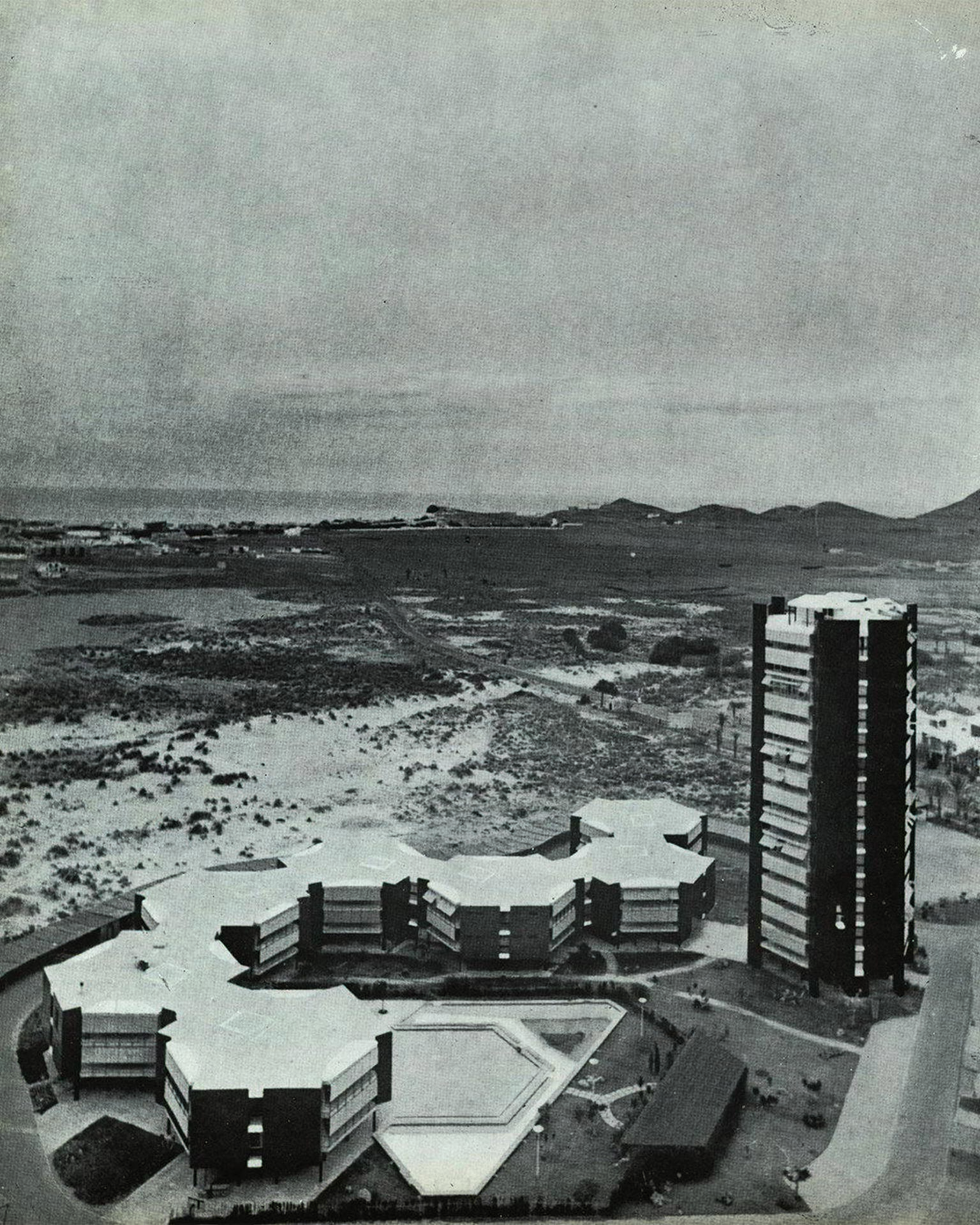
Originally designed by Antoni Bonet Castellana, the subsequent evolution of this sand spit would serve to continue this story about developmentalism and the urban history of Spain from the 1960s onwards, marked since then by the lights and shadows of a development model based on the intensity, but also the fleetingness, with which tourists consume the places they visit.
Works
Location
Click to activate the map
Built
Temporary
Lost
Not built
Authors

Schedule
Tuesday to Saturday: from 11 to 20 h.
Sundays and holidays: from 11 to 15 h.
La Arquería de Nuevos Ministerios
Paseo de la Castellana, 67
28046 Madrid - España


Horario
Martes a sábado: de 11 a 20 h.
Domingos y festivos: de 11 a 15 h.
La Arquería de Nuevos Ministerios
Paseo de la Castellana, 67
28046 Madrid - España

Design

Powered by

Copyright © 2026. All rights reserved.